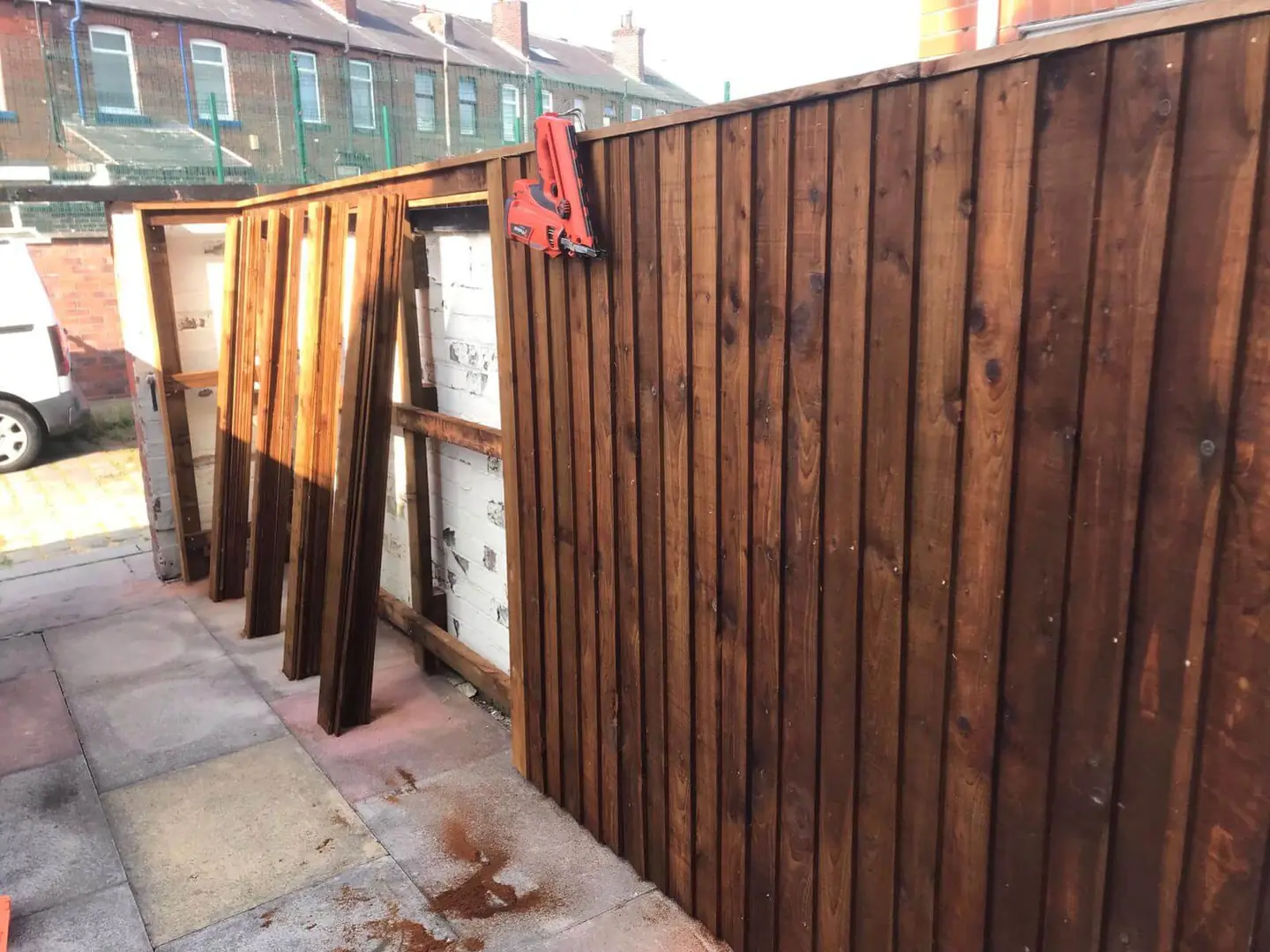
A new fence should make the garden feel private and secure without becoming a maintenance headache. We install complete fencing runs for homes and landlords across Wigan, from replacing a tired boundary to dividing a newly landscaped garden.
Local Wigan fencing teamClear written quotationsRepairs and installationPanels posts and gates
Included
What this service can cover
Removal of old panels, posts and bases
Accurate setting-out along the agreed boundary
Timber or concrete post systems
Gravel boards and made-to-measure end sections
Matching pedestrian gates where required
A tidy finish and removal of installation waste
Why it works
A Fence System Suited to the Property
Ground levels, access and exposure all affect how a fence should be built. We survey the garden first, explain the sensible options and quote for the full job. That means fewer surprises once digging starts and a result suited to the property rather than a one-size-fits-all package.
Practical guidance
New Garden Fence Installation
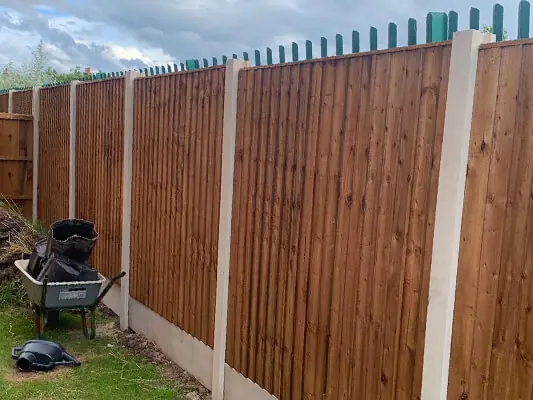
A new boundary often changes how the whole garden can be used. Solid fencing can provide privacy around a patio, make a play area easier to supervise and create a clearer divide between neighbouring plots. Before recommending a system, we look at the length of the run, changes in ground level, access for materials and the amount of wind the boundary receives. These practical points influence the post type, panel choice and finished height.
Installation can cover a short side return or a complete rear boundary. Old fencing can be removed where this is included in the quotation, and awkward closing sections can be built to fit rather than leaving an untidy gap. If a matching gate is needed, it is better to plan its posts and opening at the same time as the fence. This gives the gate reliable support and keeps the finished line consistent.
Practical guidance
Fence Panels, Posts and Gravel Boards
A panel fence is a system rather than a row of panels alone. The posts carry wind load, gravel boards separate timber from damp soil and the panels provide privacy or decoration. Standard panels can be practical when future replacement matters, while board-by-board construction is useful for unusual lengths, slopes and corners. We measure every bay so small spacing errors do not build up along a long run.
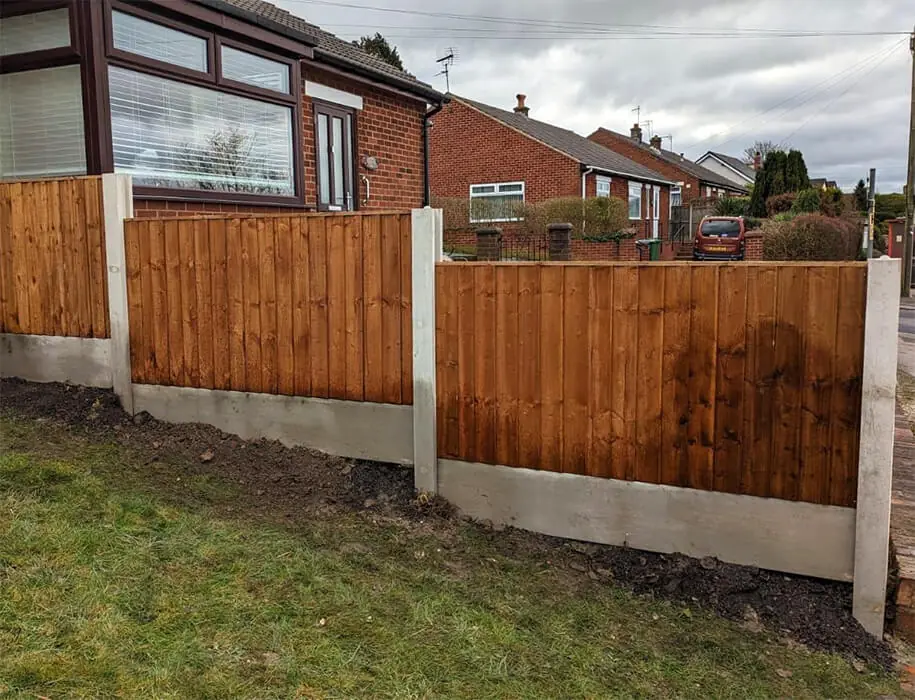
Concrete gravel boards are commonly paired with slotted concrete posts. Timber gravel boards can give an all-wood appearance when used with timber posts. Whichever system is chosen, the bottom of the panel should not sit directly in soil. Keeping timber clear of persistent moisture helps reduce early decay and makes strimming or border maintenance less likely to damage the boards.
Practical guidance
Timber Fencing Options
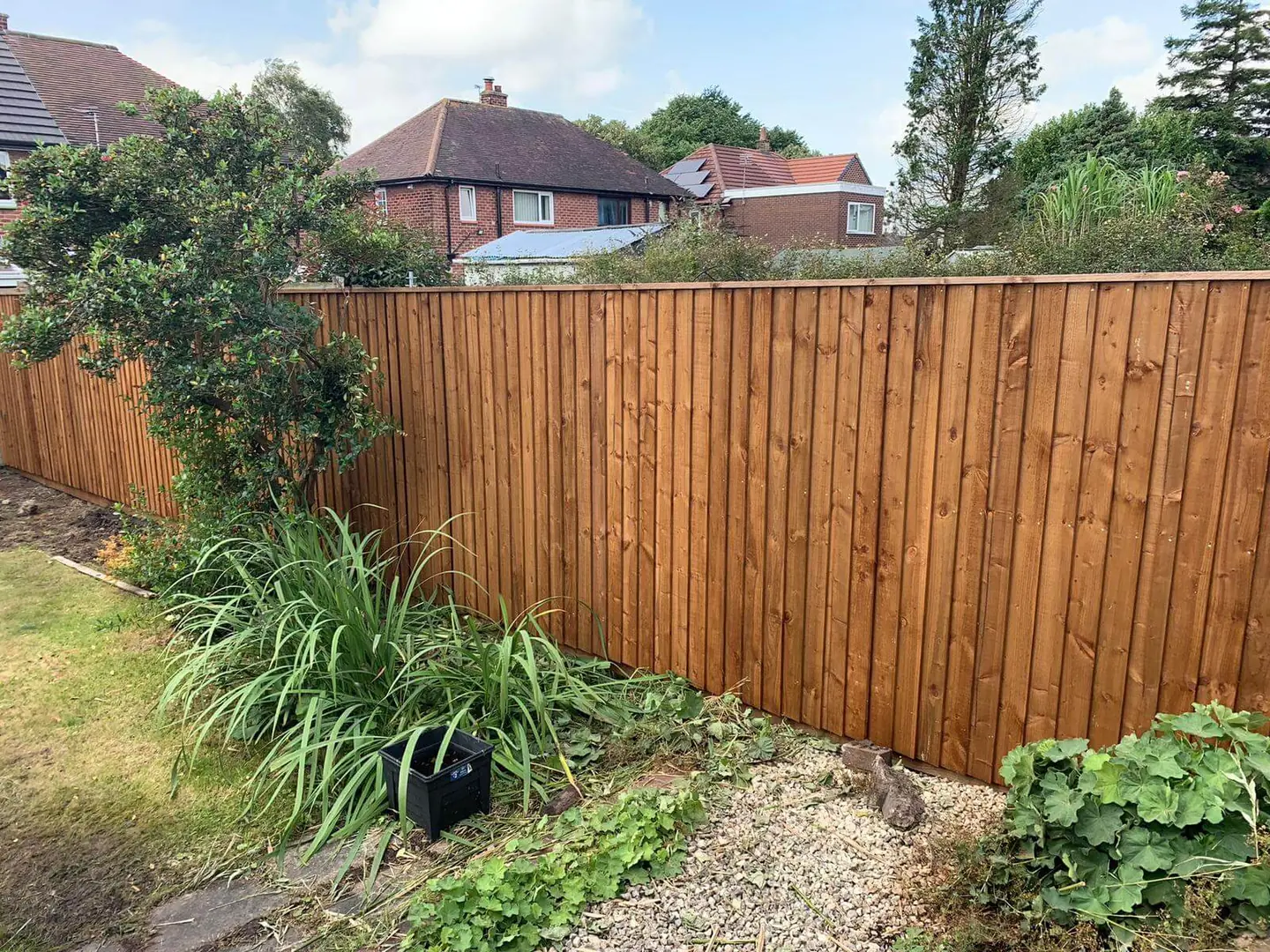
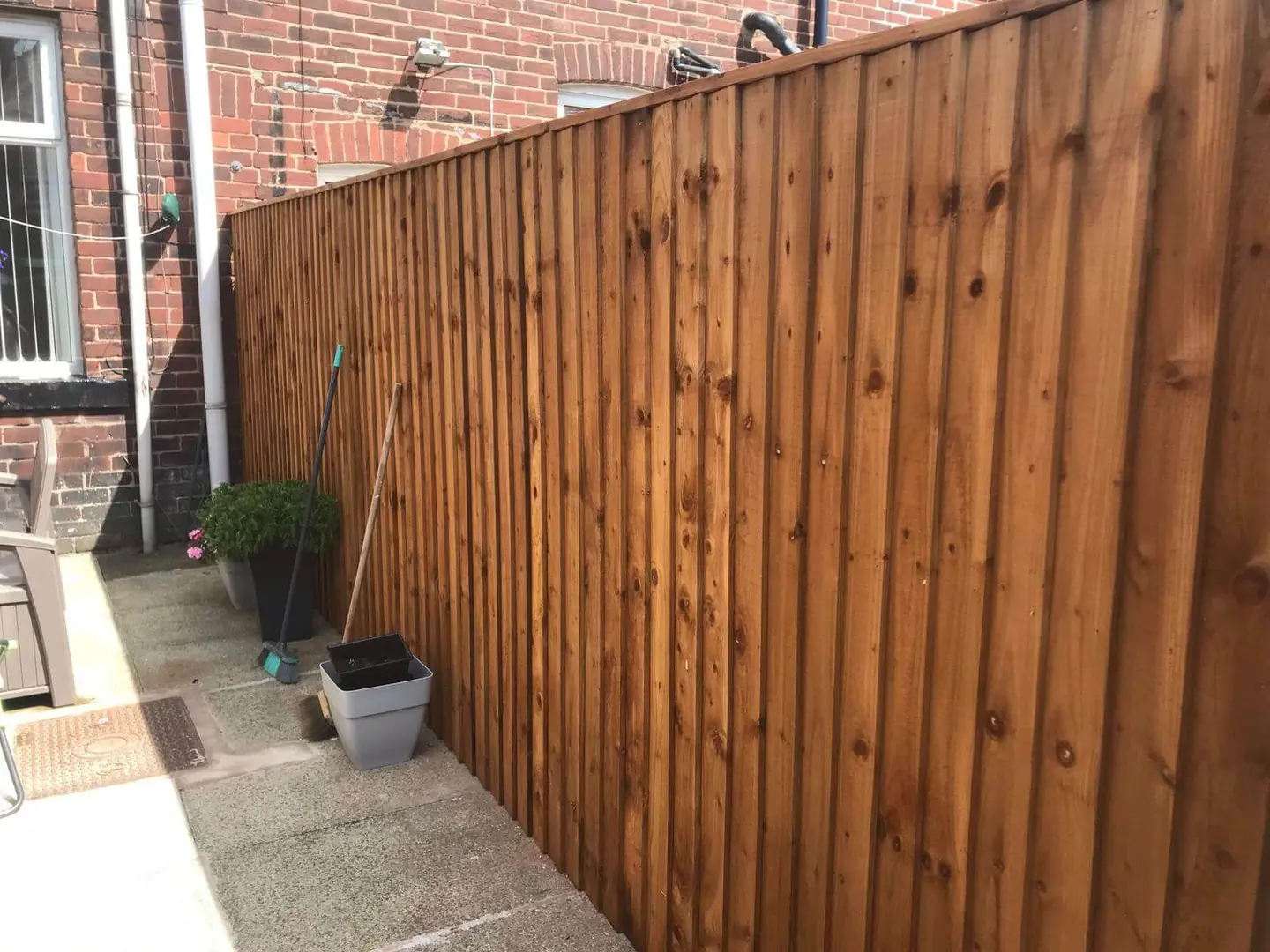
Closeboard fencing uses overlapping vertical boards to form a strong privacy screen. Feather edge construction follows the same principle and can be assembled along the boundary, making it useful where the ground changes level. Waney lap panels use overlapping horizontal boards and are often selected when a straightforward, economical panel is suitable. Decorative panels can soften a patio or front garden, although exposure and support still need consideration.
Pressure-treated timber is intended for outdoor use, but it still benefits from sensible ground clearance and occasional care. New timber normally looks lighter than weathered fencing and will settle in colour over time. We explain the differences between panel types without assuming the most expensive option is automatically best. The right choice is the one that matches privacy needs, site conditions, maintenance expectations and budget.
Practical guidance
Concrete Posts or Timber Posts?
Timber posts create a consistent natural appearance and can be a good fit for sheltered gardens or customers who prefer an all-wood boundary. Concrete posts do not rot at ground level and allow many standard panels to slide out for future replacement. They are heavier and more visible, so the decision is partly practical and partly about the finish you want to see from the garden.
Post depth, alignment and foundations matter with either material. A strong post installed in poor ground preparation will still move. We assess soil, old concrete, nearby walls, drains and roots before confirming the method. Where existing concrete posts are sound and correctly spaced, it may be possible to retain them and replace only the panels. Where several posts lean or crack, resetting the full run may give a straighter and more reliable result.
Practical guidance
When Is a Full Fence Replacement Better Than a Repair?
Repair is sensible when damage is limited and the surrounding posts, boards and panels remain sound. One wind-damaged panel or a gate that needs rehanging does not automatically justify replacing a complete boundary. A full replacement becomes more reasonable when several posts have moved, timber is rotten across multiple bays, panel sizes are inconsistent after years of patching or the existing height no longer provides the privacy required.
We compare the cost and likely life of a repair with the work involved in starting again. That does not mean pushing every customer towards a larger job. It means identifying whether new materials would be fixed to weak sections that are likely to fail next. Photographs are useful for an initial conversation, but a site visit may be needed to check movement, access and ground conditions before a firm installation quotation is prepared.
Materials & options
Choose a system that suits the boundary
Closeboard panels for dependable privacy
Feather-edge fencing for awkward lengths and stepped ground
Decorative timber panels for patios and front gardens
Pressure-treated timber posts for an all-wood finish
Concrete posts and gravel boards for easier future panel changes
A little preparation helps the quotation reflect the real boundary and reduces avoidable decisions on installation day.
Confirm the boundary and permissions
The property owner should confirm the legal boundary, responsibility for the existing fence and any permission needed from neighbours, landlords or managing agents. We fit to the line identified by the customer and do not settle ownership disputes. If the proposed height or position is beside a highway, local planning rules may need checking before materials are ordered.
Explain access and hidden constraints
Tell us whether panels and posts can reach the garden through a drive, side passage, rear alley or the house. Steps, finished floors and narrow turns matter when handling concrete products. Point out known drains, cables, pipes, lighting supplies, irrigation or other services near the fence line. We also need to know about tree roots, walls, sheds and ground that has been recently filled.
Agree the complete specification
The quotation should identify panel or board style, post type, gravel boards, finished height, gate requirements, old-fence removal and waste disposal where included. New treated timber varies naturally in colour and usually changes as it weathers. If you plan to paint or stain it, follow the product guidance and allow appropriate drying time rather than coating wet treatment immediately.
After the work, keep soil, compost and wet leaves from building up against timber. Check hinges and latches periodically, avoid hanging heavy objects from panels and deal with movement before it damages adjoining bays. For project-specific advice, contact Wigan Garden Fencing with your postcode and photographs. Customers can also browse real fencing project images before choosing a finish.
Practical Wigan guidance
Plan the Work with Confidence
Use these decision guides before requesting a fencing quotation in Wigan.
A straightforward domestic run is often completed in one to three days. Length, access, ground conditions and old concrete can affect the programme.
Do you remove the old fence?
Yes. Removal and disposal can be included in the quotation so you know exactly what is covered.
Can you fit fencing on a slope?
Yes. Panels can be stepped or feather-edge boards can follow changing ground more closely. We will recommend the cleaner option after measuring.
Do I need to know where the boundary is?
The customer is responsible for confirming the legal boundary. We can then set the fence to the agreed line.
Which fence panel is best for an exposed garden?
There is no automatic answer. Post strength, foundations, panel weight and wind exposure must be considered together. We recommend an option after seeing the boundary.
Can you install a gate with the new fence?
Yes. Planning the gate at the same time allows its support posts, opening direction and visible boarding to work with the complete fence line.
Are gravel boards included?
They can be included with compatible timber or concrete post systems. The quotation states the agreed post, gravel-board and panel specification.
Free quotation
Ready to Get Your Wigan Fence Sorted?
Tell us the approximate length, your Wigan-area postcode and what is currently there. Photographs are helpful too.